Tracing Transaction Routes to Progressive Benefits in Mobile Slot Platforms
Finley Schmitt · Jun 29, 2026
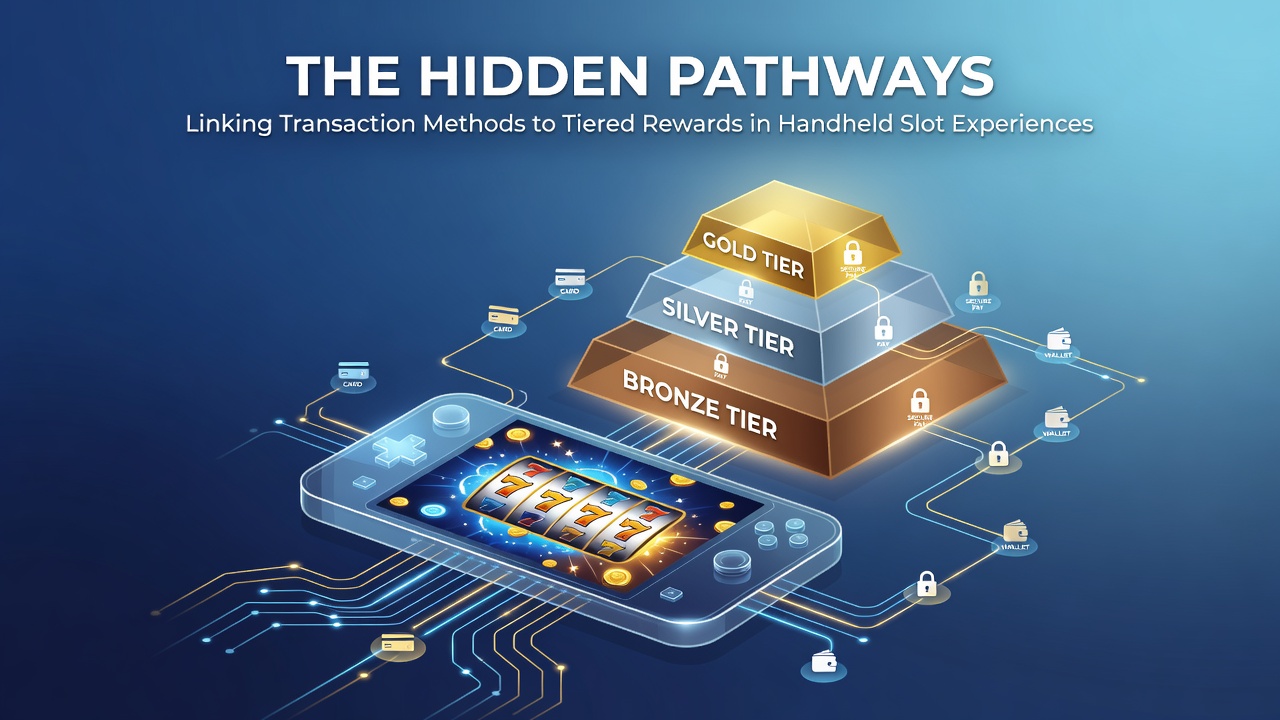
Tracing Transaction Routes to Progressive Benefits in Mobile Slot Platforms
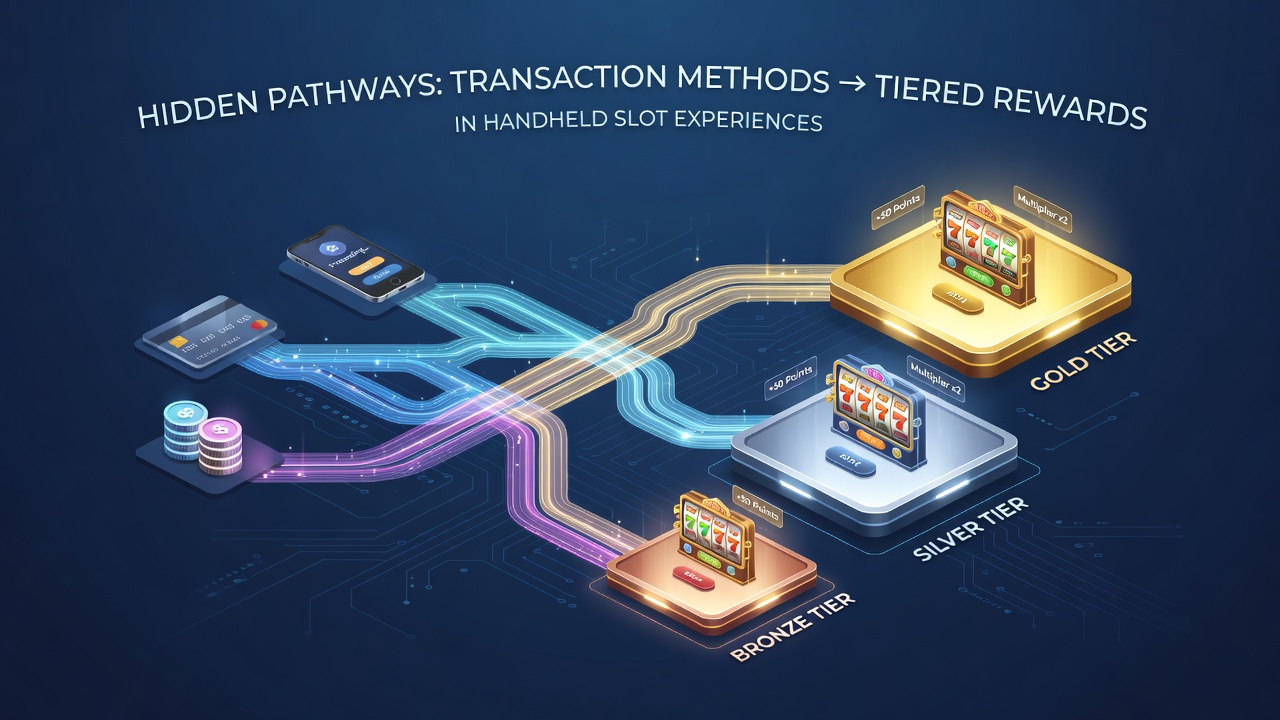
Payment methods in handheld slot environments create direct connections to reward structures that many users encounter daily, and these links operate through specific rules established by operators and regulators alike. E-wallets, bank transfers, and card-based options each carry distinct processing speeds and verification requirements that influence how quickly players accumulate loyalty points or access higher VIP levels. Data from multiple markets shows that platforms often assign bonus multipliers based on the deposit channel selected, with faster methods sometimes triggering immediate tier progression opportunities.
Payment Categories and Their Processing Characteristics
Traditional credit and debit cards remain common across mobile slot applications because they integrate directly with banking networks, yet they frequently involve longer settlement times compared to digital alternatives. E-wallet services process transactions within seconds in many cases, allowing operators to credit accounts and award associated rewards almost instantly. Bank transfers, while secure, typically require additional verification steps that delay the activation of promotional features tied to those deposits. Industry reports indicate that these timing differences affect how players move through loyalty programs, especially when platforms require minimum activity thresholds within defined periods.
Observers note that certain payment providers partner with slot operators to offer exclusive reward pathways. For instance, some e-wallet integrations include automatic point bonuses upon deposit, whereas card transactions might route through standard accumulation rates. These arrangements stem from commercial agreements rather than universal standards, and they vary by jurisdiction and operator policy.
Connections Between Deposits and Tier Advancement
Loyalty systems in mobile slots often calculate tier eligibility using a combination of deposit volume, frequency, and method type. Faster payment options can accelerate point accrual because they reduce friction between funding and gameplay, enabling continuous sessions that contribute to weekly or monthly targets. Slower methods, although reliable, sometimes place users at a disadvantage when time-sensitive promotions run alongside tier climbs.
Research from gaming analysis firms reveals patterns where VIP access opens earlier for users favoring instant channels, and these users subsequently receive enhanced free spin allocations or cashback percentages. The mechanisms remain consistent across many applications: each deposit registers as a qualifying action, and the system applies predefined multipliers according to the channel used. June 2026 updates to several major platforms incorporated refined tracking that further distinguishes between payment categories when distributing tier rewards.
Regional Regulatory Influences on Reward Pathways
Regulatory frameworks shape how transaction methods interact with tiered rewards, particularly in markets outside the United Kingdom. The Gaming Regulation Council in various jurisdictions requires transparent disclosure of any preferential treatment linked to specific payment providers. Similar oversight appears in Canadian provincial systems, where operators must document how deposit channels affect bonus eligibility to maintain licensing compliance.
Academic studies from institutions such as the University of Nevada's International Gaming Institute have examined these dynamics and found measurable differences in user progression rates when payment speed varies. Those findings align with operational data showing that platforms adjust reward algorithms to balance player retention across different funding preferences. Operators therefore design tier structures that accommodate both instant and traditional methods without violating fairness requirements.
Practical Examples from Current Platforms
Multiple mobile slot providers demonstrate these linkages through their published terms. One operator routes e-wallet deposits directly into accelerated loyalty tracks, granting double points for the first month after account verification. Another applies standard rates to card deposits but offers tier advancement bonuses exclusively when users select bank transfers during promotional windows. These examples illustrate how the underlying pathways function without requiring subjective interpretation.
Players who monitor their transaction history often identify which methods align with their preferred reward pace. The systems record each deposit type alongside accumulated points, making the connections visible through account dashboards. Over time, consistent use of particular channels can shift users into higher tiers where additional benefits become available automatically.
Conclusion
The relationships between transaction methods and tiered rewards in handheld slot experiences operate through measurable rules that combine processing speed, operator agreements, and regulatory oversight. Different payment categories produce distinct outcomes for loyalty progression, and these outcomes remain consistent across numerous platforms. As mobile gaming continues to evolve, the pathways linking funding choices to reward structures stay central to how users experience tier advancement and associated benefits.