Stakelogic Reaches Settlement After Slot Games Fail UK Speed Requirements
Finley Schmitt · Jul 9, 2026

Stakelogic Reaches Settlement After Slot Games Fail UK Speed Requirements
The UK Gambling Commission announced that software provider Stakelogic BV has entered a regulatory settlement after 16 of its online slot games operated below the required minimum spin interval, and the matter highlights how technical standards support responsible product design across the sector.
Details of the Breaches
Investigators found that the affected titles allowed intervals between spins as short as 1.97 seconds, falling below the 2.5-second minimum set out in RTS 14D, while the games remained available to UK players from 2021 through 2025. Observers note that the rule exists to limit the pace of play, and the short gaps meant some sessions ran faster than permitted under current remote gambling standards.
Among the titles identified in the case was Tiger Temple 88, along with 15 other slot products that shared the same timing configuration. Data from the regulator shows the issue persisted across multiple years until internal checks revealed the discrepancy and prompted further review.
Company Actions and Settlement Terms
Stakelogic BV self-reported the findings once they came to light, suspended the 16 games from the UK market, and strengthened its internal testing procedures to prevent similar timing shortfalls in future releases. The company agreed to pay £122,835 as part of the settlement, a figure that reflects both the duration of the non-compliance and the steps taken after discovery.
According to the Gambling Commission public statement, the settlement closes the enforcement action without admission of deliberate misconduct, yet it confirms that the games operated outside the technical specifications for an extended period.
Regulatory Context and Industry Standards
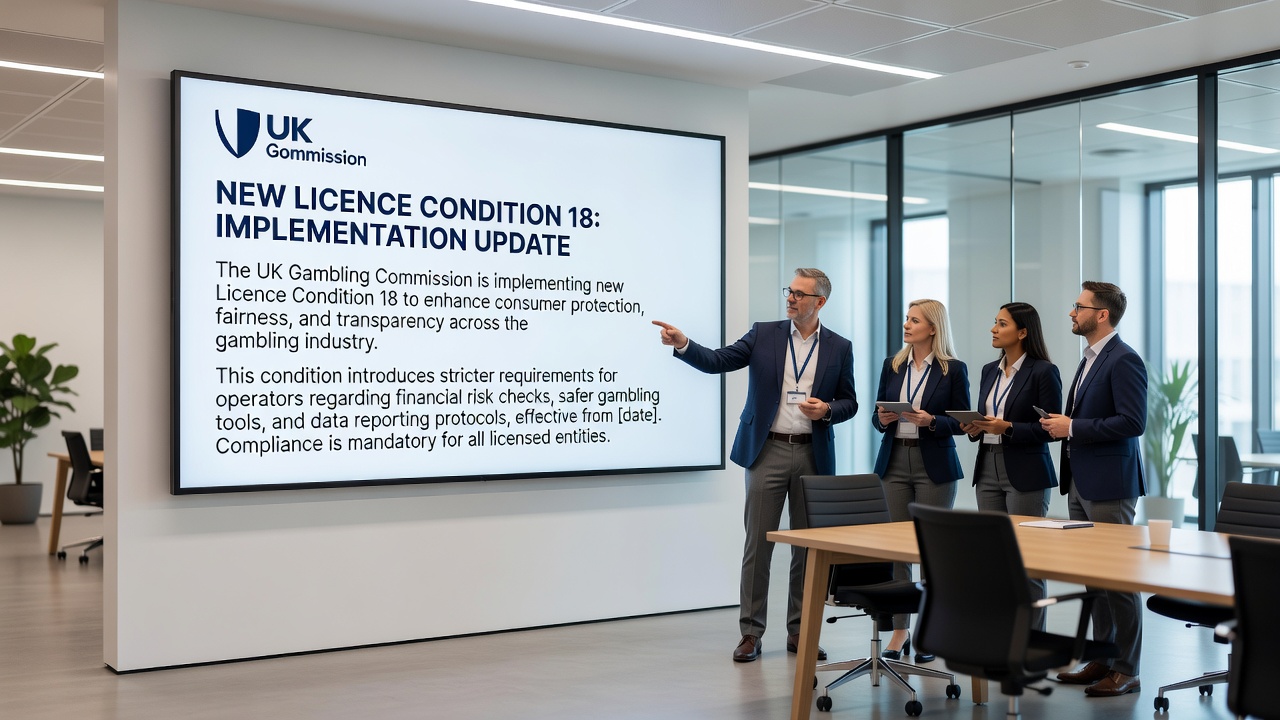
RTS 14D forms part of the broader Remote Technical Standards that licensed operators and suppliers must meet when offering games to UK customers, and the minimum interval requirement addresses concerns around gambling intensity by setting a floor on how quickly reels can reset. Those who design and certify slot software routinely test against these parameters, yet the Stakelogic case illustrates how configuration errors can remain undetected until systematic audits occur.
The Commission has stated that the settlement reinforces expectations around responsible product design, and suppliers are expected to maintain robust quality-assurance processes that catch deviations before games reach the live environment. Figures released alongside the announcement indicate that teh regulator continues to monitor timing compliance across multiple providers as part of routine oversight.
Impact on UK Players and Market
Players who accessed the affected titles during the breach period encountered games that spun at a faster rate than the rules allow, although no individual compensation claims have been linked to the timing issue itself. The suspension of the 16 games removed them from UK-facing sites, and subsequent updates to testing protocols aim to ensure similar products meet the 2.5-second threshold going forward.
Market participants note that the case adds to a pattern of enforcement actions focused on technical compliance rather than operator conduct, and it underscores the role of software suppliers in maintaining the integrity of the games they provide to licensed platforms.
Conclusion
The settlement between Stakelogic BV and the UK Gambling Commission closes one chapter in ongoing efforts to align slot products with established speed standards, and the self-reported nature of the discovery combined with corrective measures demonstrates how suppliers respond once gaps surface. The episode leaves the sector with clearer expectations around RTS 14D compliance and continued scrutiny of game pacing as a component of responsible design.