Slot App Pathways Reveal How Payment Triggers Unlock Spins and Climb Loyalty Ladders Under Contract Constraints
Lars Franke · Jul 25, 2026
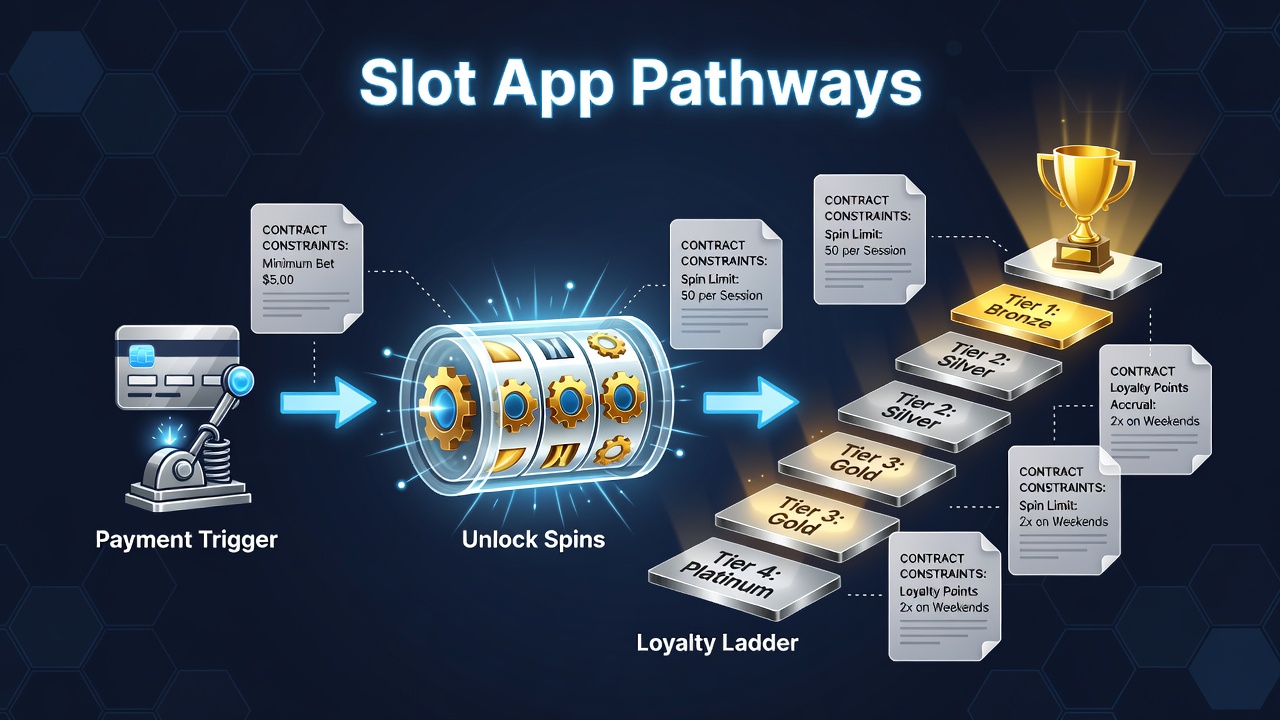
Slot App Pathways Reveal How Payment Triggers Unlock Spins and Climb Loyalty Ladders Under Contract Constraints
Slot applications structure player progression through defined pathways where payment selections activate specific sequences that release spins and advance loyalty tiers while operating inside binding contractual terms, and these mechanisms have drawn increased attention as of July 2026 when mobile gambling volumes continued to rise across regulated markets.
Payment Selection as the Initial Trigger Point
Payment methods connect directly to backend systems that monitor transaction values and timing, so when a deposit clears through an approved processor the application registers eligibility for spin releases that follow predetermined rules, and data from the Alcohol and Gaming Commission of Ontario indicates that verified payment channels account for the majority of bonus activations in licensed mobile environments.
Systems route funds through verification layers before any spin allocation occurs, which means credit card entries, e-wallet transfers, and bank transfers each follow separate validation steps that determine whether the trigger fires immediately or after a short holding period, and those who track application logs note that faster processors reduce the interval between deposit confirmation and spin availability.
Spin Unlocking Sequences and Their Dependencies
Once a payment registers, the application evaluates the deposit amount against programmed thresholds that release batches of spins, and these batches often carry their own usage conditions listed in the service agreement that players accept during account setup, while contract language specifies how many times the resulting winnings must cycle through play before withdrawal becomes possible.
Applications log each trigger event so that subsequent deposits build upon prior activity, creating chained sequences where earlier payments influence the size and frequency of later spin allocations, and researchers examining platform data have observed that consistent payment patterns correlate with higher cumulative spin counts over multi-week periods.
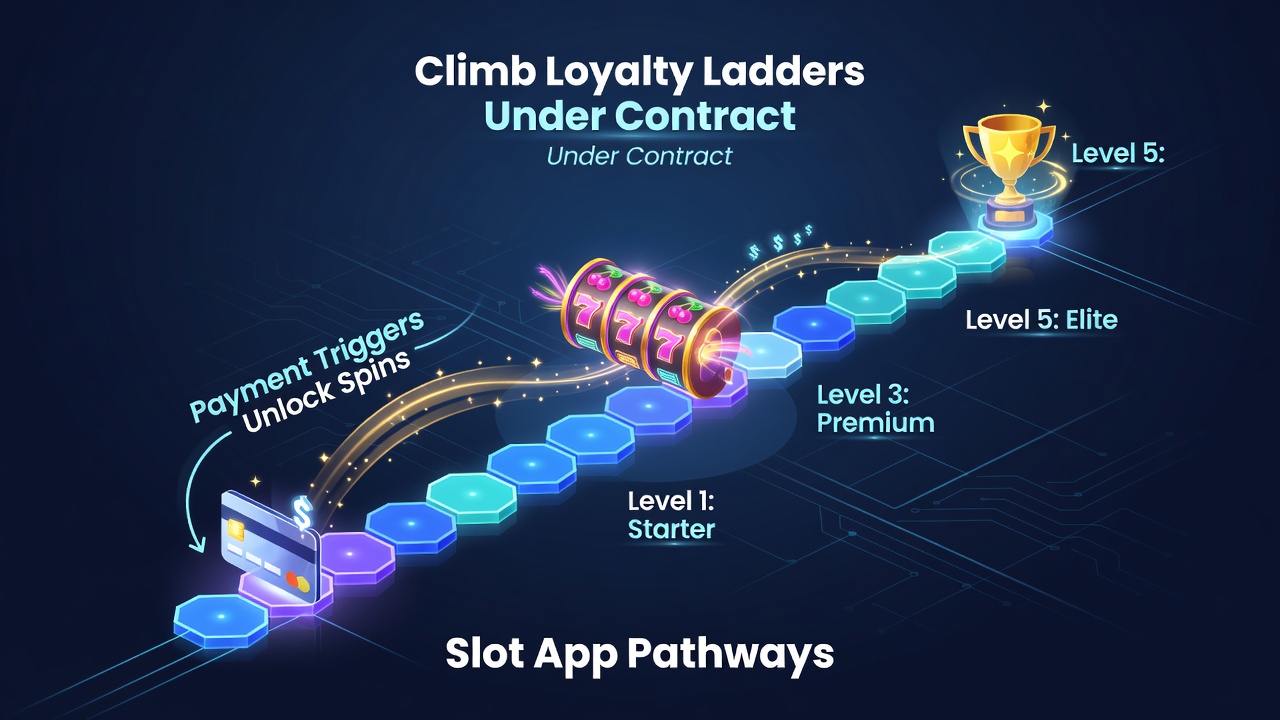
Loyalty Ladder Advancement Through Cumulative Activity
Loyalty systems assign tier points based on deposit frequency and total value processed, so each payment that unlocks spins also contributes to the numerical score required for the next rung on the ladder, and contract clauses define both the point conversion rates and the benefits attached to each tier such as increased spin volumes or reduced wagering multiples.
Players move upward when accumulated points cross published thresholds, yet downward movement can occur if activity falls below minimum requirements stated in the terms, and those who monitor these systems report that the interval between tier reviews typically aligns with monthly statement cycles rather than individual sessions.
Contractual Constraints That Govern the Entire Pathway
Service agreements establish the outer boundaries within which payment triggers and loyalty climbs operate, including maximum bonus values, eligible game types, and time limits for spin redemption, while regulatory frameworks in multiple jurisdictions require these constraints to appear in clear text before any deposit completes, according to reports from the New Jersey Division of Gaming Enforcement.
Disputes over trigger failures or tier calculations often reference the exact wording of these clauses, which means application operators maintain detailed audit trails that link each payment event to the contract version active at the time of the transaction, and external audits conducted in 2026 have confirmed that transparent documentation reduces the volume of unresolved player queries.
Pathway mapping therefore requires simultaneous attention to payment processing speed, spin allocation logic, point accumulation formulas, and the legal language that limits all three elements, and industry analyses from the European Gaming and Betting Association highlight that platforms able to synchronize these components experience steadier player retention across loyalty levels.
Conclusion
Slot application pathways integrate payment processing, spin release mechanics, and loyalty progression under a single set of contractual rules that remain consistent across sessions, and continued regulatory scrutiny through 2026 has reinforced the need for precise documentation of every trigger point and tier threshold so that players and operators share a common understanding of how deposits translate into spins and status advancement.