Converging Routes: How Payment Channels, Interaction Logs, and Contract Terms Define Mobile Access to Layered Rewards and Rank Progressions
Jakob Vogel · Jul 18, 2026
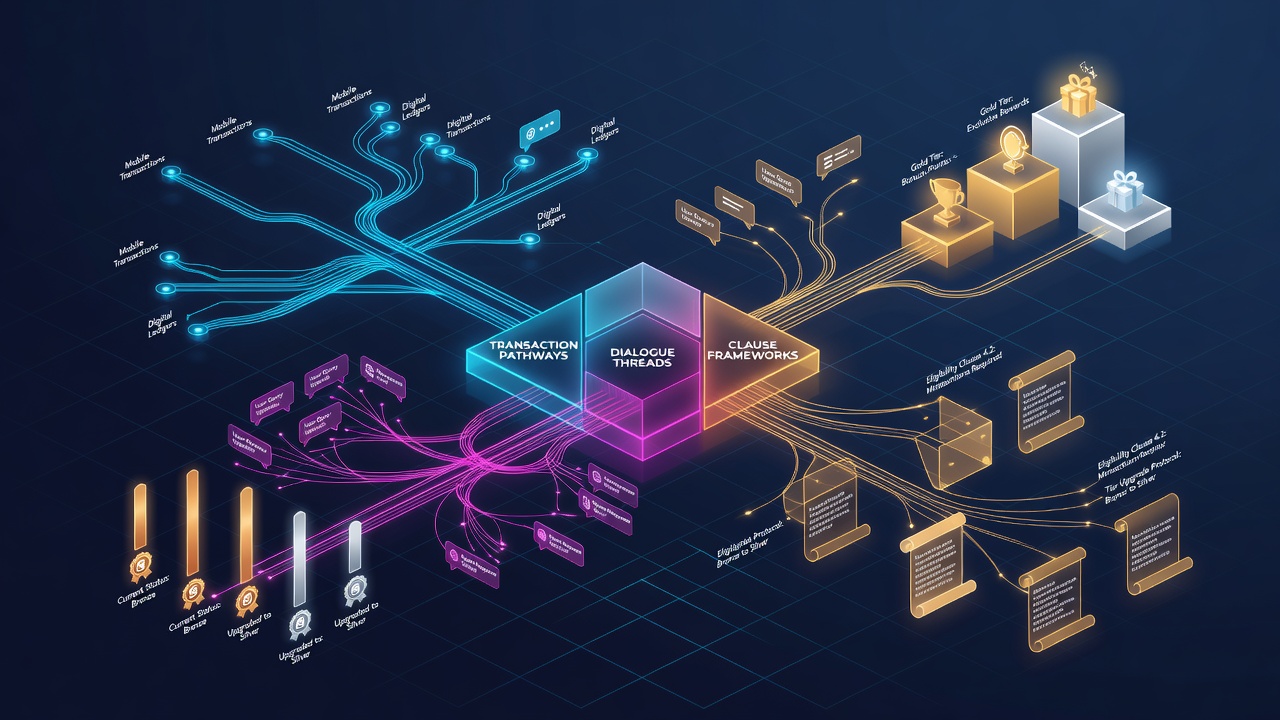
Converging Routes: How Payment Channels, Interaction Logs, and Contract Terms Define Mobile Access to Layered Rewards and Rank Progressions
Transaction pathways, dialogue threads, and clause frameworks operate together in digital entertainment platforms where mobile users seek eligibility for tiered prize structures and status upgrades. Payment routes determine whether deposits register correctly on handheld devices while support conversations record user intent and compliance steps. Contract terms then set the measurable thresholds that convert those records into access rights.
Payment Channel Mechanics on Mobile Devices
Mobile transaction pathways include instant bank transfers, digital wallets, and card authorizations that must complete within platform windows specified in user agreements. When a deposit processes through an approved channel the system logs the amount, timestamp, and device identifier. These logs feed directly into eligibility calculations for prize tiers. Observers note that platforms update their approved channel lists periodically, with changes announced through in-app notifications and email summaries distributed to account holders.
Support Interaction Records
Dialogue threads capture exchanges between users and platform representatives through live chat or ticket systems. Each thread creates a timestamped record that includes queries about deposit status, bonus activation, and verification requirements. Platform operators store these records alongside transaction data so that disputes over eligibility can reference both the financial trail and the conversational context. Research from the National Council on Problem Gambling indicates that documented support interactions reduce resolution times for tier-related queries by providing verifiable communication histories.
Clause Frameworks and Eligibility Criteria
Clause frameworks consist of the terms and conditions that outline minimum deposit volumes, frequency requirements, and device compatibility standards required for status upgrades. These clauses specify how mobile play counts toward tier progression and which prize structures remain available only after certain verification steps. Data from industry reports compiled by the European Gaming and Betting Association shows that operators revise clause language at regular intervals, often aligning updates with new payment technologies introduced in the first half of each calendar year.
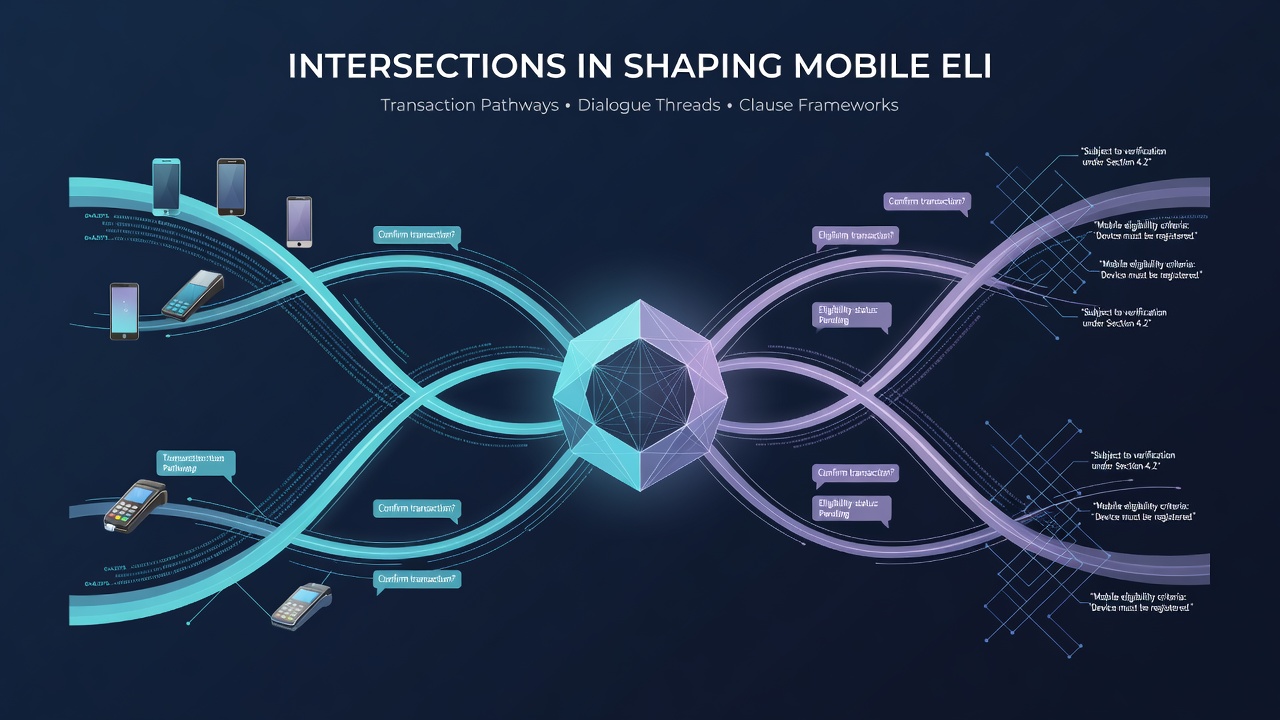
Eligibility determinations occur when transaction records, dialogue summaries, and clause conditions intersect at a single account profile. A deposit that clears through an approved mobile pathway gains recognition only when the corresponding support thread confirms user identity and the clause language permits mobile-originating activity to count toward the tier. In July 2026 several major platforms introduced automated reconciliation tools that cross-reference these three data streams in real time, shortening the interval between deposit completion and tier notification.
Device-Specific Verification Processes
Mobile eligibility further depends on device fingerprinting and operating system version checks embedded within clause frameworks. Some platforms require users to confirm that gameplay occurs on a registered handset before certain prize structures activate. Support teams handle verification requests by requesting screenshots of device settings or guiding users through in-app authentication sequences. These steps generate additional dialogue threads that become part of the permanent account record.
Platforms maintain audit trails that link each verified transaction to its originating device and the support interaction that validated it. When clause updates alter device requirements, operators notify users through both push messages and stored chat summaries. Those who have studied platform operations report that such coordinated updates help maintain consistency across prize tier calculations even as hardware and software evolve.
Cross-Referencing Data Streams
The intersection of pathways, threads, and frameworks produces a composite eligibility score used for status upgrades. Transaction data supplies the quantitative foundation while dialogue records supply qualitative context and clause language supplies the interpretive rules. Automated systems flag discrepancies among the three sources for manual review by compliance teams. A single mismatched timestamp between a deposit log and a support note can delay tier advancement until resolved.
Geographic regulatory differences influence how these intersections function. Australian state authorities require operators to retain communication records for a minimum period, while certain Canadian provincial frameworks emphasize device authentication standards. Operators serving multiple regions therefore design unified logging systems that satisfy the strictest applicable clause requirements.
Conclusion
Transaction pathways, dialogue threads, and clause frameworks continue to shape mobile eligibility for tiered prize structures and status upgrades through interconnected data requirements. As platforms refine reconciliation processes and regulatory bodies issue updated standards, the three elements remain central to determining which users gain access to layered rewards on handheld devices. Continued alignment among payment systems, support records, and contractual language supports consistent application of eligibility rules across evolving mobile environments.