Contractual sequences linking transaction flows to tier advancements in portable reel platforms
Zoe Frank · Jul 20, 2026
Contractual sequences linking transaction flows to tier advancements in portable reel platforms
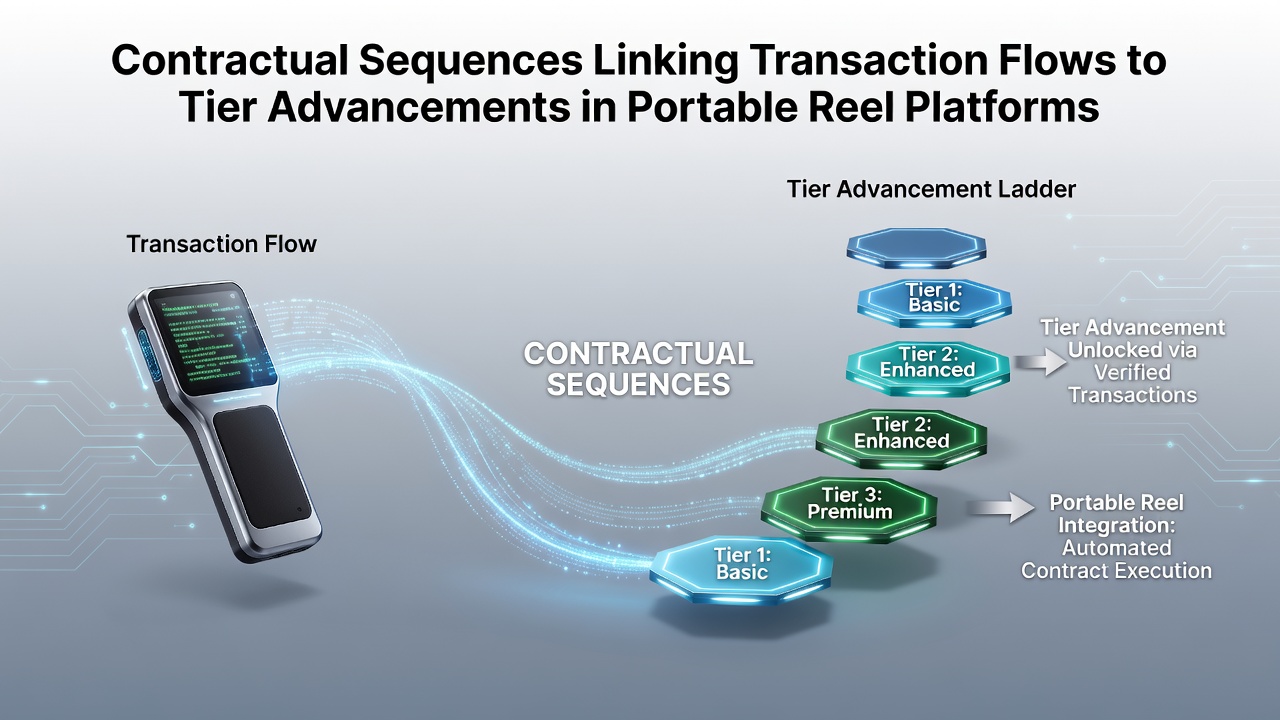
Contractual sequences in portable reel platforms establish direct pathways between user deposits and movement through loyalty tiers, where each transaction activates predefined conditions embedded in platform agreements. These mechanisms operate through automated tracking systems that record payment amounts, frequency, and associated activities, then map them against tier thresholds listed in terms of service documents. Operators design these sequences to ensure that funds processed through approved channels contribute to cumulative points or status levels, creating a structured progression that users encounter when accessing mobile slot interfaces.Mechanics of Transaction Mapping
Payment processing in these platforms follows a sequence where initial deposits trigger immediate credit allocation and simultaneous logging toward tier metrics. Contracts specify that certain payment methods receive weighted values, so a credit card transfer might accumulate points faster than an e-wallet option in some configurations. Data from platform analytics indicates that these mappings adjust quarterly based on volume reports, allowing operators to recalibrate how each pound or euro spent influences advancement rates. Observers note that the integration of real-time ledgers means users see tier updates reflected in app dashboards shortly after confirmation, reducing delays that once separated financial activity from status recognition.
Contract Terms Governing Advancement
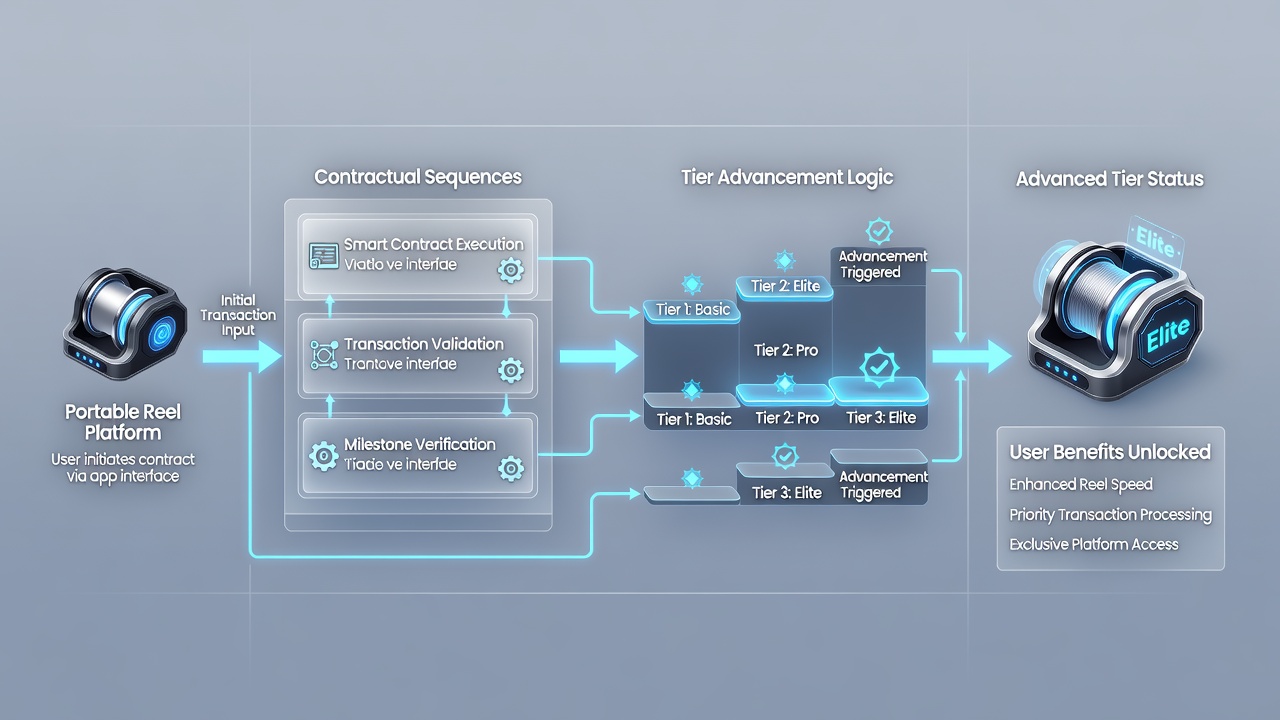
Legal frameworks within portable reel environments detail exact multipliers and eligibility rules that convert transaction data into tier eligibility. Clauses often list minimum deposit thresholds alongside play-through requirements, while excluding certain bonus-funded amounts from counting toward progression. Researchers at academic institutions have examined similar structures in digital entertainment contracts, finding that clear disclosure of these sequences correlates with higher user retention across multiple jurisdictions. In July 2026, updates to platform software across several providers introduced enhanced audit trails that record each contractual trigger point, giving users access to detailed histories of how their payments aligned with tier movements.
Integration with Mobile-Specific Features
Portable reel applications embed these contractual sequences into their core navigation, where users encounter progress indicators alongside deposit screens. The design ensures that tier advancement notifications appear immediately after a qualifying transaction clears, linking the flow of funds directly to visual representations of status gains. Technical documentation reveals that API connections between payment gateways and loyalty modules enforce the rules without manual intervention, maintaining consistency across different device types. Those who have reviewed multiple platform agreements observe that mobile versions sometimes include additional stipulations around session-based deposits, requiring consecutive activity periods before certain tiers unlock.
Regional Regulatory Influences
Regulatory bodies outside the UK shape how these sequences function through licensing conditions that mandate transparency in transaction-to-tier linkages. The Malta Gaming Authority requires operators to publish clear explanations of how deposits contribute to loyalty structures, ensuring users can verify compliance with advertised advancement paths. Similarly, the Nevada Gaming Control Board oversees systems that log every payment event against contractual criteria, with periodic reviews confirming that tier calculations match documented formulas. Industry reports from the Australian Gambling Research Centre highlight that standardized reporting on these mechanisms helps identify patterns where certain payment flows accelerate or restrict user progression across different markets.
Examples of Sequence Execution
One documented case involved a platform that applied tier multipliers only after deposits exceeded a cumulative monthly figure, with the contract specifying exclusions for promotional credits. Users completing qualifying transactions received automated status upgrades within the app interface, accompanied by updated reward eligibility lists. Another configuration required a combination of deposit volume and frequency, where reaching five separate transfers within a defined window activated the next tier level under the stated terms. Platform operators maintain that these sequences remain consistent regardless of device, though mobile interfaces display simplified summaries for quicker reference during active sessions.
Technical Implementation Details
Backend systems utilize rule engines that parse contractual language into executable code, matching incoming transaction records against tier criteria in real time. Developers configure these engines to handle edge cases such as partial refunds or chargebacks, which contracts typically state will reverse corresponding advancement credits. Security protocols encrypt the linkage between payment data and loyalty profiles, preventing unauthorized alterations to progression histories. Studies from university research groups indicate that robust implementation reduces discrepancies between expected and actual tier movements, supporting smoother operation across large user bases.
Conclusion
Contractual sequences continue to define the relationship between transaction activity and tier advancement in portable reel platforms through precise, enforceable linkages embedded in service agreements. These structures rely on automated systems that translate payment details into status updates according to published rules, with oversight from multiple regulatory authorities ensuring consistency and disclosure. As platforms evolve their technical capabilities, the core sequences remain anchored in the original contractual frameworks that connect funds to progression pathways.