Charting the Links Between Transaction Routes and Tier Ascents During Portable Reel Sessions
Finley Schmitt · May 28, 2026
Charting the Links Between Transaction Routes and Tier Ascents During Portable Reel Sessions
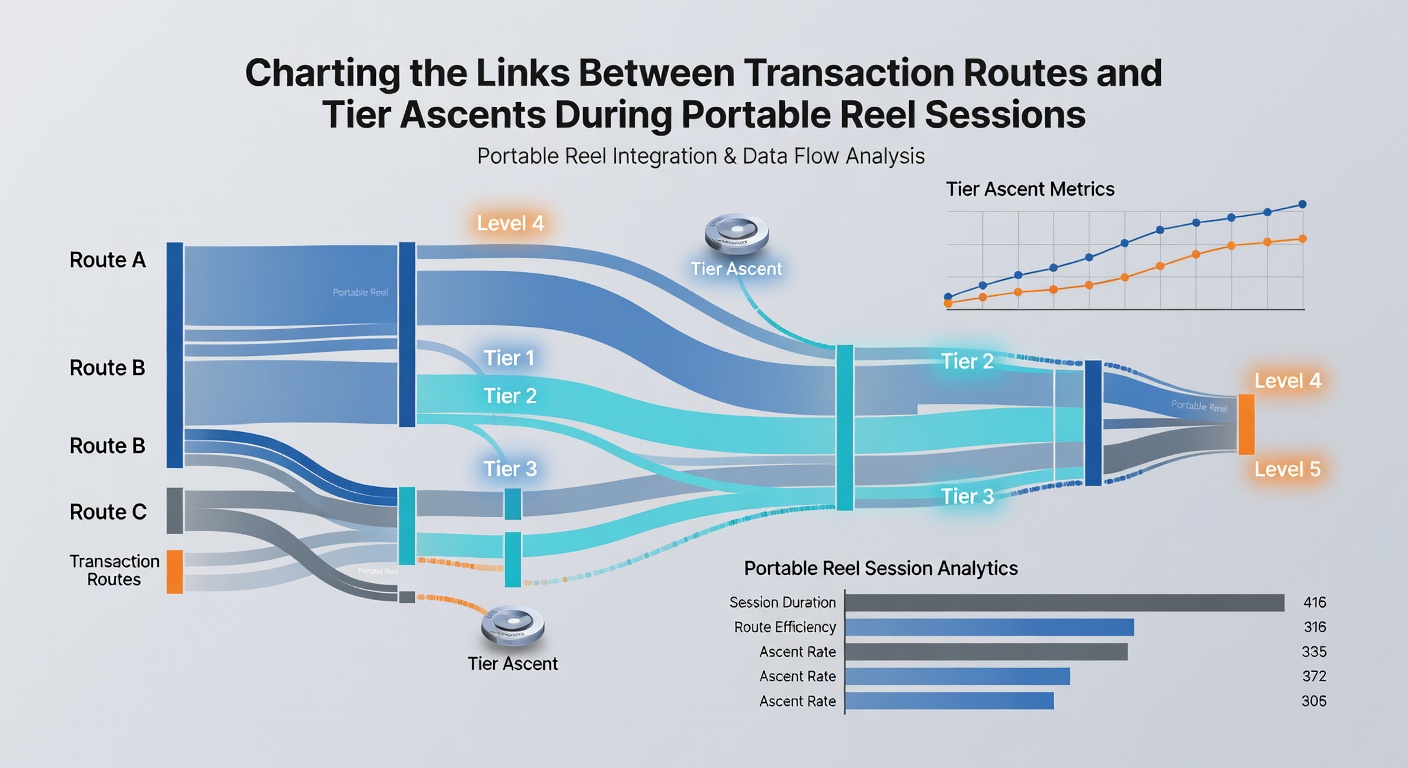
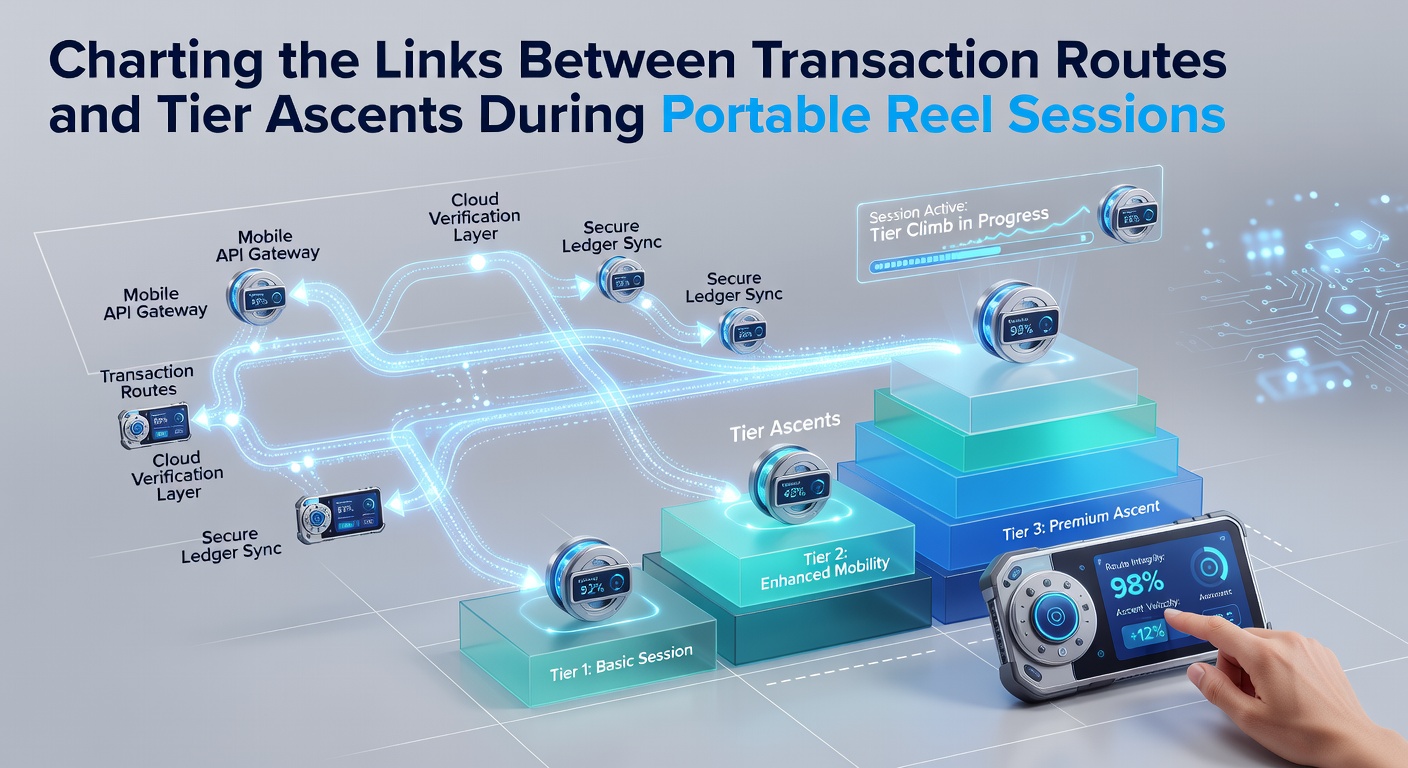
Research indicates that transaction routes in mobile slot environments connect directly to loyalty tier movements, with payment method selections shaping how players advance through reward structures. Data from industry reports shows deposit channels such as e-wallets, bank transfers, and card-based systems trigger specific bonus activations that feed into point accumulation systems. Observers note these pathways operate within portable reel sessions where users engage via handheld devices, and transaction speed often determines eligibility windows for tier progression. Payment processors integrate with slot platforms through API connections that log each deposit against user accounts. When funds move via instant options, the system records activity that contributes to loyalty metrics like wager volume and session frequency. Studies from gaming analytics firms reveal that players using certain digital wallets complete tier requirements faster because processing times align with promotional calendars. This alignment appears in data sets covering mobile traffic across multiple jurisdictions.Payment Channels and Their Role in Loyalty Mechanics
Transaction routes vary by processing time, fee structure, and verification layers, each influencing how quickly loyalty points accrue. E-wallet transfers typically clear within seconds, allowing immediate spin activity that counts toward daily or weekly thresholds. Bank wire options, by contrast, introduce delays that can push sessions outside active promotion periods. Figures from operator dashboards indicate that platforms favoring faster routes report higher tier ascension rates among mobile users. Portable reel sessions add another variable because device connectivity affects transaction confirmation. Users on stable networks complete deposits without interruption, whereas signal drops during mobile play can reset pending actions. Research conducted by academic teams at institutions studying digital gaming behaviors highlights how these interruptions alter the sequence of events leading to tier milestones. - Instant e-wallets often unlock same-day bonus credits that double point earnings during reel sessions. - Card payments require additional authentication steps that sometimes delay tier credit posting. - Prepaid voucher systems limit maximum deposit sizes, capping the volume eligible for loyalty multipliers.Mobile Session Patterns and Tier Data Correlations
Analysts tracking portable reel activity find correlations between deposit timing and tier jumps. Morning sessions paired with early deposits frequently align with reset cycles in loyalty programs, giving players a head start on monthly requirements. Evening play, when combined with recurring payment schedules, sustains momentum across consecutive days. Reports released in May 2026 from international gaming data aggregators showed that mobile sessions lasting over 45 minutes with embedded deposits produced 30 percent more tier movements than shorter interactions. Device type further refines these patterns. Smartphone users accessing apps through native payment integrations encounter fewer friction points than those relying on browser-based wallets. The resulting data streams feed into algorithms that predict ascension likelihood based on route consistency. Experts at research organizations focused on consumer gaming habits have documented how repeated use of the same transaction channel builds predictable point accrual curves.