Charting Funding Routes That Unlock Tiered Rewards Across Portable Reel Platforms
Jakob Vogel · Aug 13, 2026
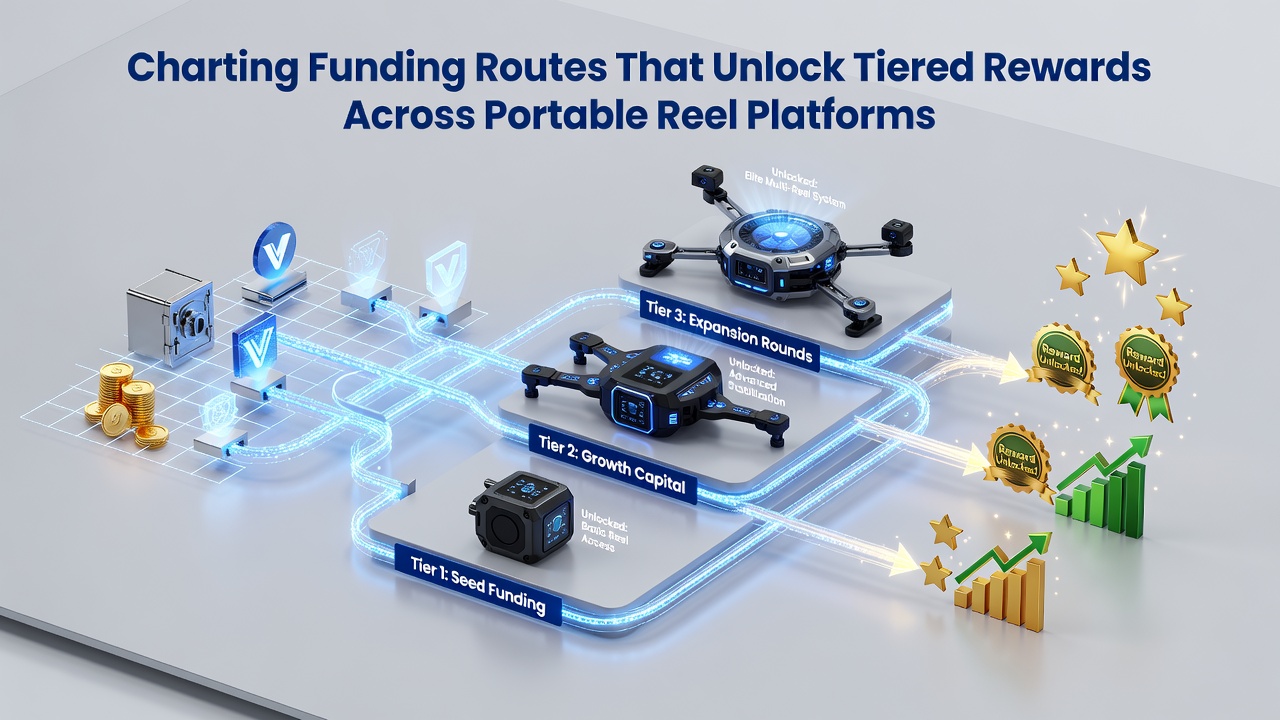
Charting Payment Pathways That Activate Progressive Incentives in Mobile Reel Ecosystems
Payment methods on portable reel platforms have evolved into structured gateways that connect deposits directly to escalating benefit structures, and operators track these connections through detailed transaction logs that feed into loyalty algorithms. Research from the Nevada Gaming Control Board indicates that mobile transactions accounted for over 68 percent of all slot activity in the first half of 2026, with specific funding routes triggering automatic progression through multiple reward layers. Those routes include bank transfers, digital wallets, and prepaid vouchers, each carrying distinct processing speeds and eligibility flags that platforms use to assign tier status. Operators configure their systems so that certain deposit types immediately register eligibility markers for free spin allocations or cashback percentages, while slower methods require manual verification steps before the same markers activate. Data compiled by the Australian Gambling Research Centre shows that platforms integrating instant digital wallet options recorded a 22 percent higher rate of tier advancement among users who completed at least three deposits within a thirty-day window. The same study noted that users relying on bank transfers experienced longer intervals between deposit and reward activation, sometimes spanning forty-eight hours.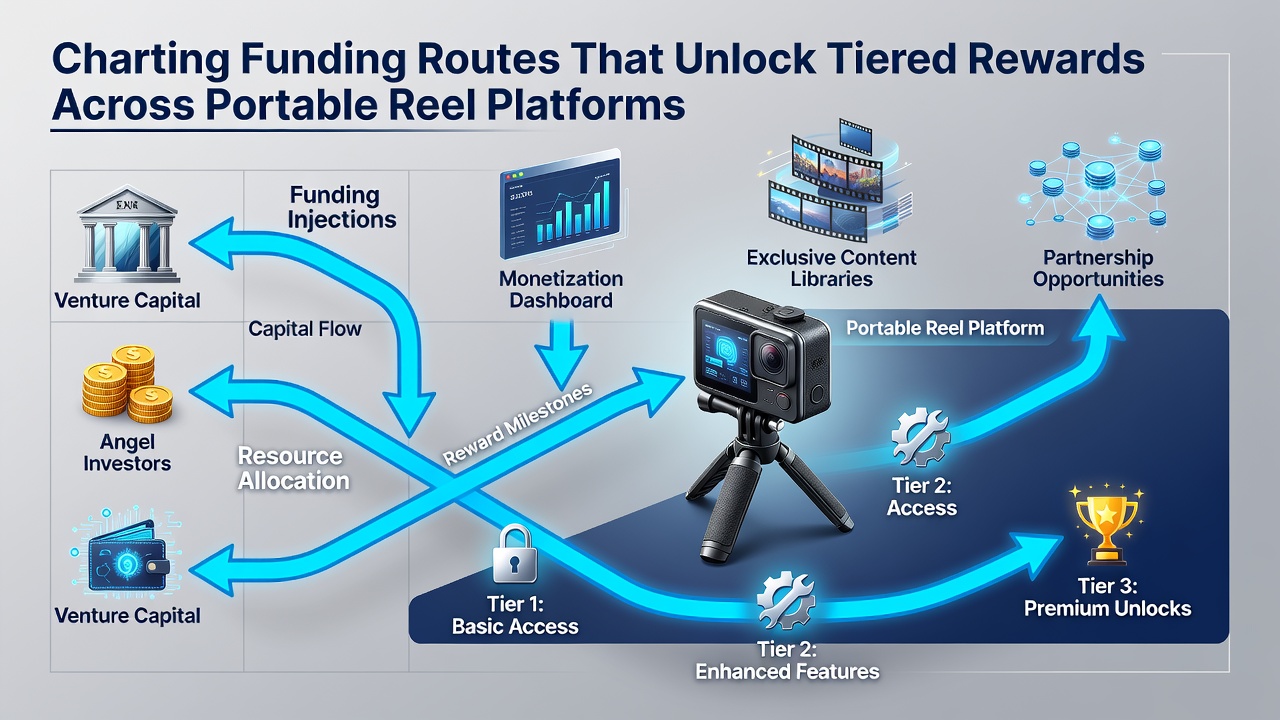
Payment methods on portable reel platforms have evolved into structured gateways that connect deposits directly to escalating benefit structures, and operators track these connections through detailed transaction logs that feed into loyalty algorithms. Research from the Nevada Gaming Control Board indicates that mobile transactions accounted for over 68 percent of all slot activity in the first half of 2026, with specific funding routes triggering automatic progression through multiple reward layers. Those routes include bank transfers, digital wallets, and prepaid vouchers, each carrying distinct processing speeds and eligibility flags that platforms use to assign tier status. Operators configure their systems so that certain deposit types immediately register eligibility markers for free spin allocations or cashback percentages, while slower methods require manual verification steps before the same markers activate. Data compiled by the Australian Gambling Research Centre shows that platforms integrating instant digital wallet options recorded a 22 percent higher rate of tier advancement among users who completed at least three deposits within a thirty-day window. The same study noted that users relying on bank transfers experienced longer intervals between deposit and reward activation, sometimes spanning forty-eight hours.Core Funding Categories and Their Associated Reward Triggers
Portable platforms categorize funding sources into three primary groups that each align with distinct reward pathways. Instant digital wallets such as those linked to mobile payment services deliver immediate balance updates and simultaneously log the transaction against automated bonus criteria, allowing players to qualify for initial tier entry within minutes. Bank wire options, by contrast, pass through verification queues that delay the application of reward multipliers until clearance occurs, yet they often satisfy higher-value deposit thresholds that unlock mid-tier benefits once processed. Prepaid voucher systems occupy an intermediate position where the initial load registers quickly, but subsequent tracking of cumulative spend occurs through separate ledgers that feed into monthly tier reviews. Figures released by the European Gaming and Betting Association in August 2026 revealed that voucher-funded accounts demonstrated steady progression through the first three reward levels when users maintained consistent monthly volumes, although advancement beyond level three required supplementary verification of identity documents not always demanded by wallet-based routes.Integration with Loyalty Algorithms and Mobile Interfaces
Mobile applications embed loyalty tracking directly into the deposit workflow, so each successful transaction updates a visible progress bar that reflects current tier standing and the distance to the next threshold. Observers note that platforms adjust these bars in real time when instant funding methods are used, whereas delayed methods create temporary holds that only resolve after backend reconciliation. This difference affects how quickly users perceive movement through the tier structure and influences decisions about which payment channel to select for subsequent activity. One documented case involved a regional operator that introduced a new digital wallet partnership in early 2026; within four months the proportion of users reaching the fourth reward tier increased by 17 percent compared with the prior quarter, according to internal metrics shared with industry analysts. The change stemmed from reduced friction between deposit completion and reward assignment rather than any alteration to the underlying benefit formulas.