Behavioral Triggers Enhancing Rewards Across Portable Casino Interfaces
Lars Franke · May 30, 2026
Behavioral Triggers Enhancing Rewards Across Portable Casino Interfaces
Portable casino interfaces rely on specific behavioral triggers to heighten reward delivery, and these mechanisms draw from established patterns in user interaction data collected across mobile platforms. Developers integrate elements such as timed notifications, streak counters, and adaptive challenge sets that respond directly to session length and frequency, while data shows these features increase engagement metrics without altering core game mechanics.
Core Mechanisms Behind Behavioral Activation
Push alerts activate when users approach daily login milestones or complete partial tasks, and these prompts connect to bonus pools that scale with prior activity levels. Session trackers monitor spin counts alongside deposit patterns, which then feed into algorithms assigning tiered multipliers or additional free rounds. Researchers at institutions focused on digital behavior have documented how such triggers align with reward release schedules, particularly in environments where players shift between short bursts and extended sessions.
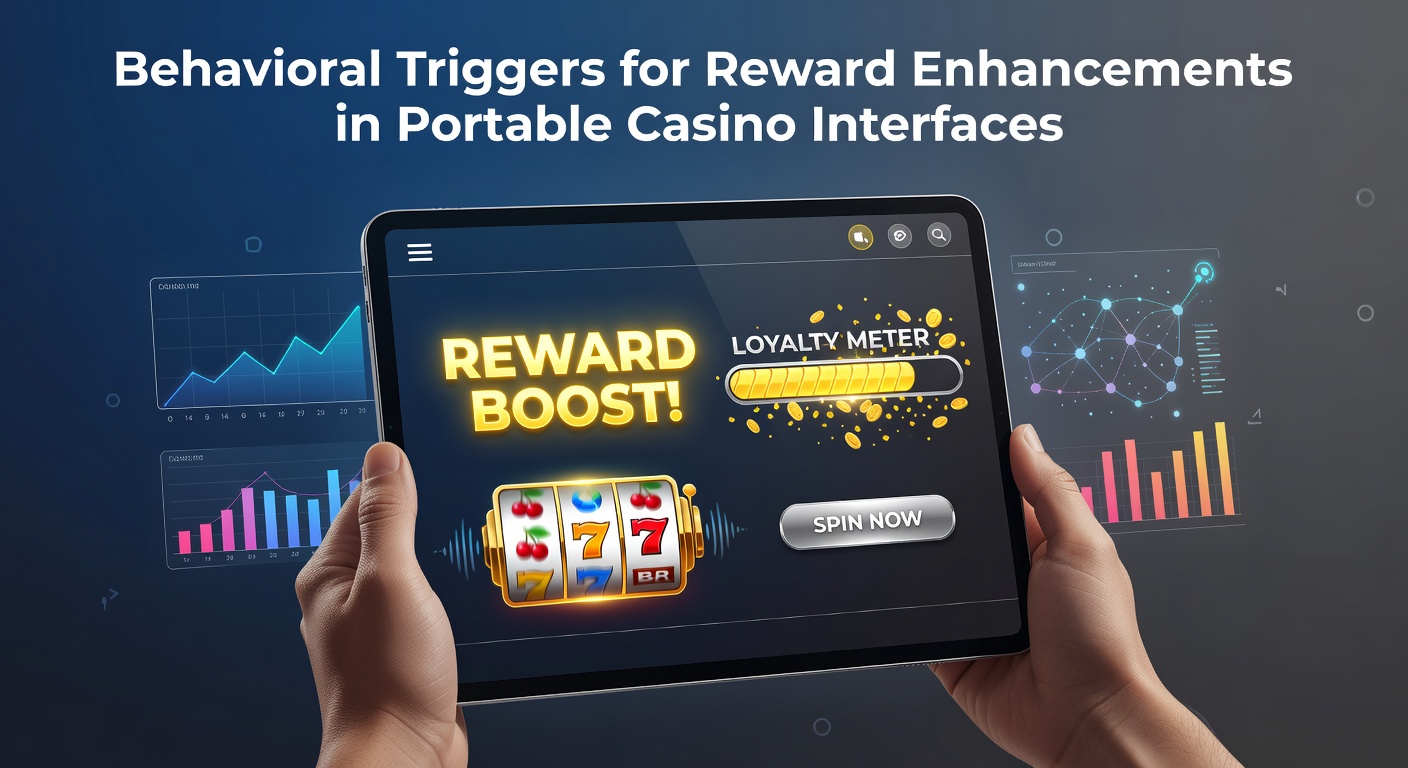
Visual progress bars represent loyalty accumulation in real time, and these displays update after each qualifying action to reinforce continuation. Color shifts and animation sequences highlight nearing thresholds, which studies link to sustained play intervals. In May 2026, industry reports noted expanded use of these bars in apps targeting European markets, where integration with payment confirmations further streamlined reward handoffs.
Personalization Through Interaction Data
Interfaces analyze touch patterns, pause durations, and navigation paths to tailor reward offers, and this process occurs without requiring explicit user input beyond standard gameplay. One case involved apps that adjusted spin bonuses based on peak activity hours recorded over preceding weeks, resulting in higher redemption rates according to aggregated platform statistics. Observers note that combining these insights with location signals, where permitted, allows for geo-specific promotions that tie into regional event calendars.
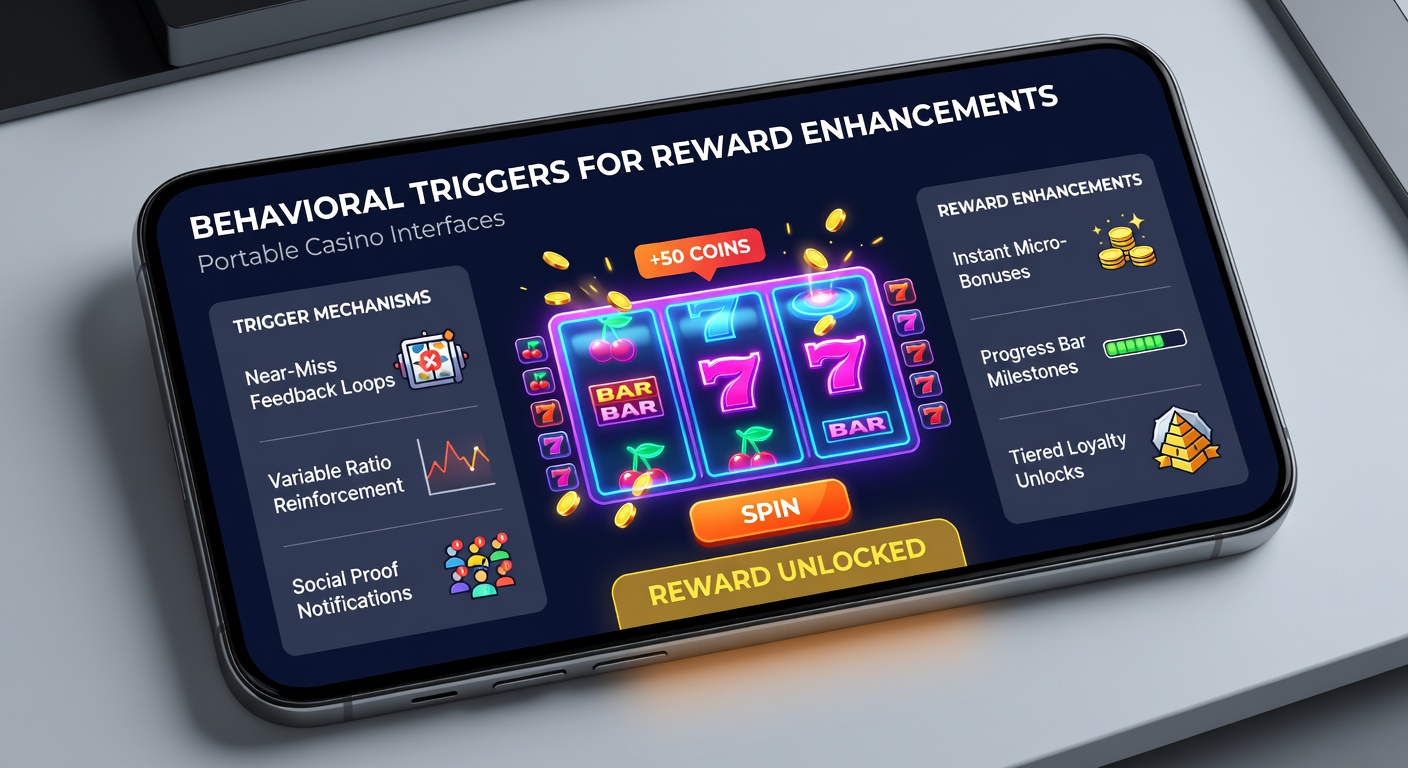
Streak systems build on consecutive daily engagements by unlocking escalating prizes, and these chains reset only after defined inactivity periods to encourage routine returns. Data from multiple operators indicates that players completing five-day sequences receive priority access to higher-value jackpots, while shorter cycles feed into smaller spin allocations. Such structures operate alongside support chat integrations that surface contextual offers during active sessions.
Integration With Funding and Support Pathways
Deposit confirmations trigger immediate reward adjustments in many portable systems, and the timing of these adjustments correlates with transaction size and method type. Payment flows that complete within set windows activate bonus layers that compound existing loyalty points, creating interconnected pathways between financial actions and prize enhancements. According to findings from the Responsible Gambling Council, these linkages appear consistently across reviewed mobile deployments in North American jurisdictions.
Live support interactions serve as additional behavioral nodes, where queries about account status prompt automated reward suggestions matched to user history. This occurs through scripted responses that reference recent play data, and the approach maintains consistency while scaling across high volumes of concurrent users. Figures from platform audits reveal that such interventions coincide with elevated completion rates for pending challenges.
Emerging Patterns in 2026 Deployments
Updates rolled out during May 2026 introduced hybrid triggers that blend time-based alerts with achievement clustering, and these refinements responded to usage logs showing fragmented session trends among mobile users. Developers incorporated micro-challenges that reset hourly yet contribute to weekly aggregates, thereby sustaining momentum across variable connection qualities common in portable environments. Evidence from testing phases demonstrated measurable lifts in reward uptake following these adjustments.
Cross-device continuity features ensure triggers persist when sessions migrate between phones and tablets, preserving streak status and accumulated progress. This continuity relies on cloud-synced profiles that activate upon login, and operators report reduced drop-off rates when such synchronization functions without interruption. Academic reviews of similar systems, including work referenced through University of Nevada, Las Vegas gaming research archives, have traced comparable continuity benefits to overall retention metrics.
Conclusion
Behavioral triggers in portable casino interfaces function through layered responses to user actions, connecting session data, payment events, and support contacts into unified reward pathways. Continued refinement of these elements, as observed through ongoing platform metrics, supports structured enhancements that align with documented interaction habits across diverse user groups.